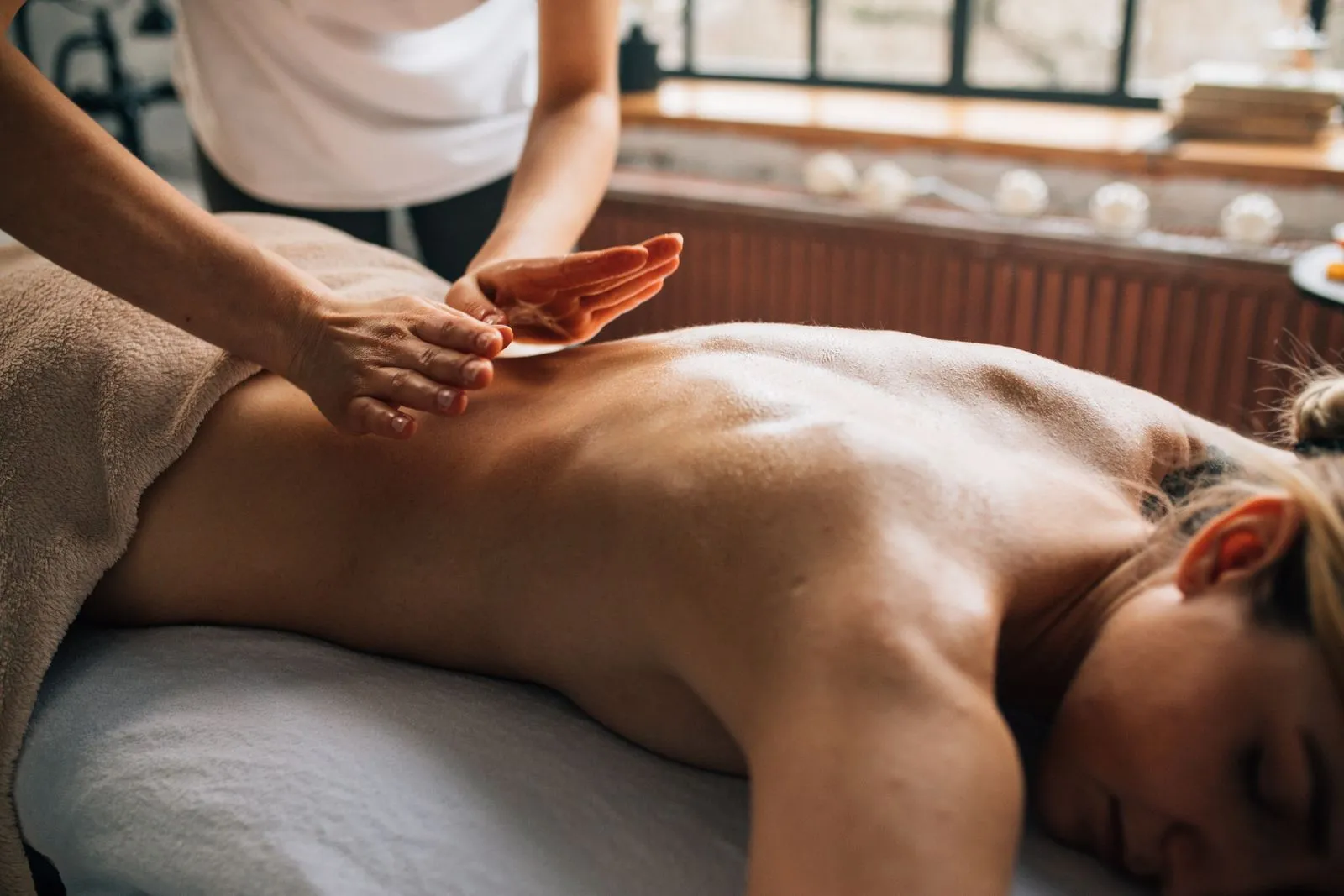
Booking your first massage can bring up practical questions: What should you wear? Do you need to talk during the session? How do you ask for a change in pressure? Knowing what usually happens can help you arrive feeling prepared. A massage therapist should explain the process, respect your boundaries, and adjust the session to your comfort. Here’s how to get ready, what to expect in the room, and how to make your needs clear.
Before Your Appointment
When you book, share any relevant health information, recent injuries, allergies, or areas you would like the therapist to avoid. Mention pregnancy or a medical condition that could affect massage; your therapist may recommend checking with your healthcare provider first. You do not need to know the right treatment style in advance. A brief conversation about your goals can help the therapist suggest an appropriate approach.
Arrive a little early if you can, especially if you need to complete intake forms. Wear comfortable clothing that is easy to change out of. You can eat and drink normally, though a very heavy meal immediately beforehand may feel uncomfortable. If you are running late or feel unwell, contact the practice to ask about your options rather than rushing into the appointment.
Getting Comfortable
Your therapist should explain where to change, where to place your belongings, and how to get onto the massage table. In most sessions, you undress only to your comfort level and lie beneath a sheet or blanket. The therapist uncovers only the area being worked on, a practice called draping. You can keep underwear on, request more coverage, or decline work on any area.
Before the massage begins, discuss pressure, sensitive areas, and your goals. You might say that you prefer light pressure, want attention on your shoulders, or do not want work on your feet. You can also ask questions about positioning or the session itself. If anything is unclear, pause and ask; consent and comfort matter throughout the appointment.
During the Massage
The therapist may use hands, forearms, or other techniques depending on the agreed approach. You do not need to hold a particular pose or help the therapist move your limbs; they will guide you when needed. You may choose to talk, stay quiet, or change your mind. Some people relax deeply, while others remain alert. There is no correct way to experience a massage.
Speak up if pressure feels painful, the room temperature is uncomfortable, or you want the therapist to stop or adjust something. Useful requests are simple and direct: “Please use less pressure,” “Could you avoid that area?” or “I’d like a moment.” A massage should not require you to tolerate sharp pain. Your therapist can make changes during the session, and you can end it at any time.
After the Session
When the massage ends, your therapist will give you time to get up and get dressed privately. Take your time if you feel lightheaded, and mention any discomfort before leaving. You may feel relaxed, temporarily tender, or simply unchanged; responses vary. Drink water if you are thirsty and return to your usual routine as you feel comfortable. Ask the therapist about any aftercare suggestions that fit your session.
A short check-in afterward can help you decide what worked for next time. Note which areas felt helpful, what pressure you preferred, and anything you would change. You are not expected to book another appointment or accept a technique that does not feel right. Clear feedback gives the therapist a better starting point if you choose to return.
A first massage is a conversation as much as a treatment: share relevant health details, ask questions, and speak up if your comfort changes. You can set limits before and during the session, and your therapist should respect them. If you’re ready to explore a massage, contact North Still Massage to discuss what may suit your needs.